
Engineering guidance. Examples and proposed workflows are illustrative.
Define the heat as an event record
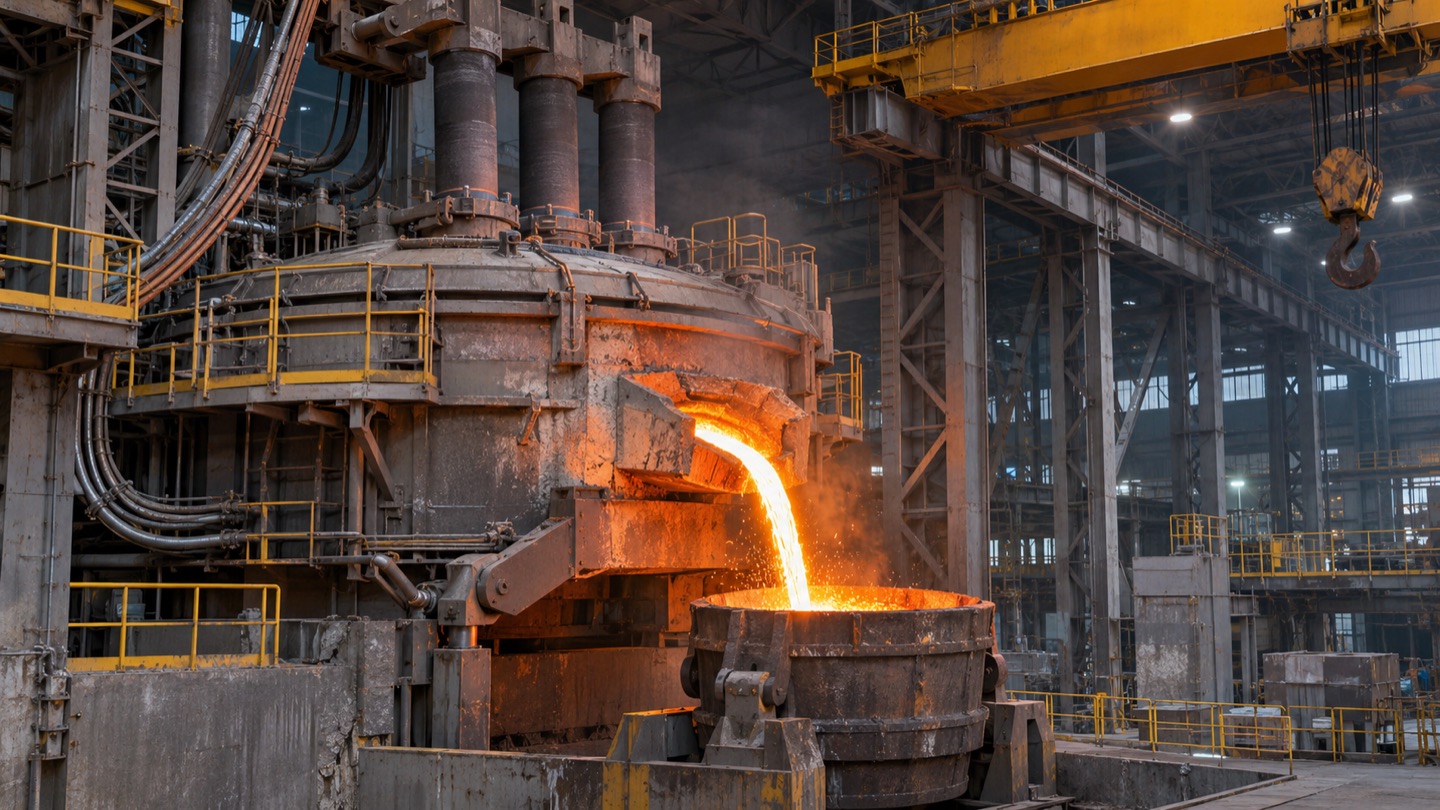
Worldsteel describes the EAF route as using recycled steel and iron units such as DRI, together with electricity. For a useful production record, assign a persistent heat identifier and attach the furnace, planned grade, shift, and event timestamps. Agree how aborted heats, rework, and unusual transfers are represented before calculating performance. This event model provides a common reference for operational, metallurgical, energy, and quality records that otherwise use different local names.
Preserve the identity and basis of each charge
Link each charge event to its basket or feed record, source lot, measured quantity, material class, and available chemistry. Record the weighing source and any later correction without replacing the original observation. For continuous feeding, retain the interval over which material was assigned to the heat and document how boundary changes are handled. The resulting genealogy should expose uncertainty where a mixed inventory prevents exact attribution of a source lot.
Put process and energy events on the same boundary
Define the start and end events used for tap-to-tap time, power-on time, and energy accounting with the production team. Retain meter readings and calculation versions so engineers can reproduce each result. Primetals identifies charge materials, control, cycle times, and logistics as connected EAF considerations; a review should therefore show relevant delays and operating conditions beside the energy trend. Compare heats with an agreed product and charge context before interpreting a difference.
Follow the lineage through ladles and product splits
Carry identifiers through the actual downstream route, including applicable ladle treatment, casting, and subsequent product transformations. Represent splits, merges, cropping, and rework as explicit events with quantities and parent-child relationships. This allows a quality engineer to move forward from a source heat to affected products, or backward from a product to its recorded origins. Keep inferred relationships distinct from confirmed transfers when a production record is incomplete.
Connect test results and certificates without losing revisions
Store sample identity, collection time, method, approval state, and result revision alongside the heat or product relationship. SSAB's product Data Matrix approach shows how a unique product identifier can provide access to product properties and certificates. In a local implementation, define who can release or amend a certificate and retain the approval trail. A scanned identifier should lead the user to the current authorized record while allowing an engineer to reconstruct earlier versions.
Audit a complete genealogy before scaling
Select an illustrative heat and trace every recorded charge through to a finished-product identity and its quality documentation. Ask separate reviewers to reproduce the material total, event sequence, and energy calculation from the same source records. Include a corrected weight or amended test result in the exercise to verify that updates remain traceable. A successful pilot produces a reconciled genealogy and an exception list that explains unresolved gaps without inventing missing history.
Technical references
Continue exploring
Steel and DRI
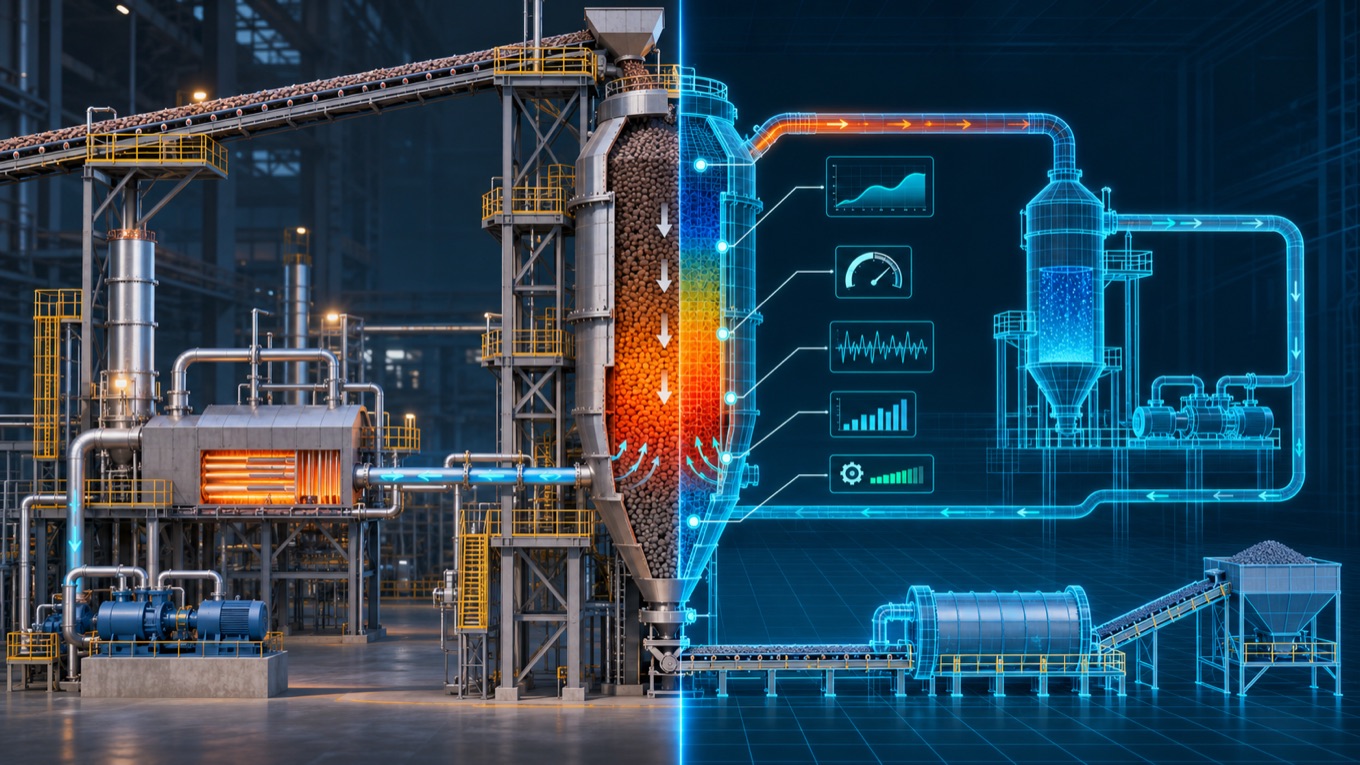
What goes into a DRI shaft-furnace twin?
Start with the process boundary, then make time, data provenance, and validation visible.
Read articleSteel and DRI
Reading the DRI furnace through gas, solids, and time
A practical data model for investigating a shaft furnace, its reducing-gas loop, and the product observations that arrive later.
Read article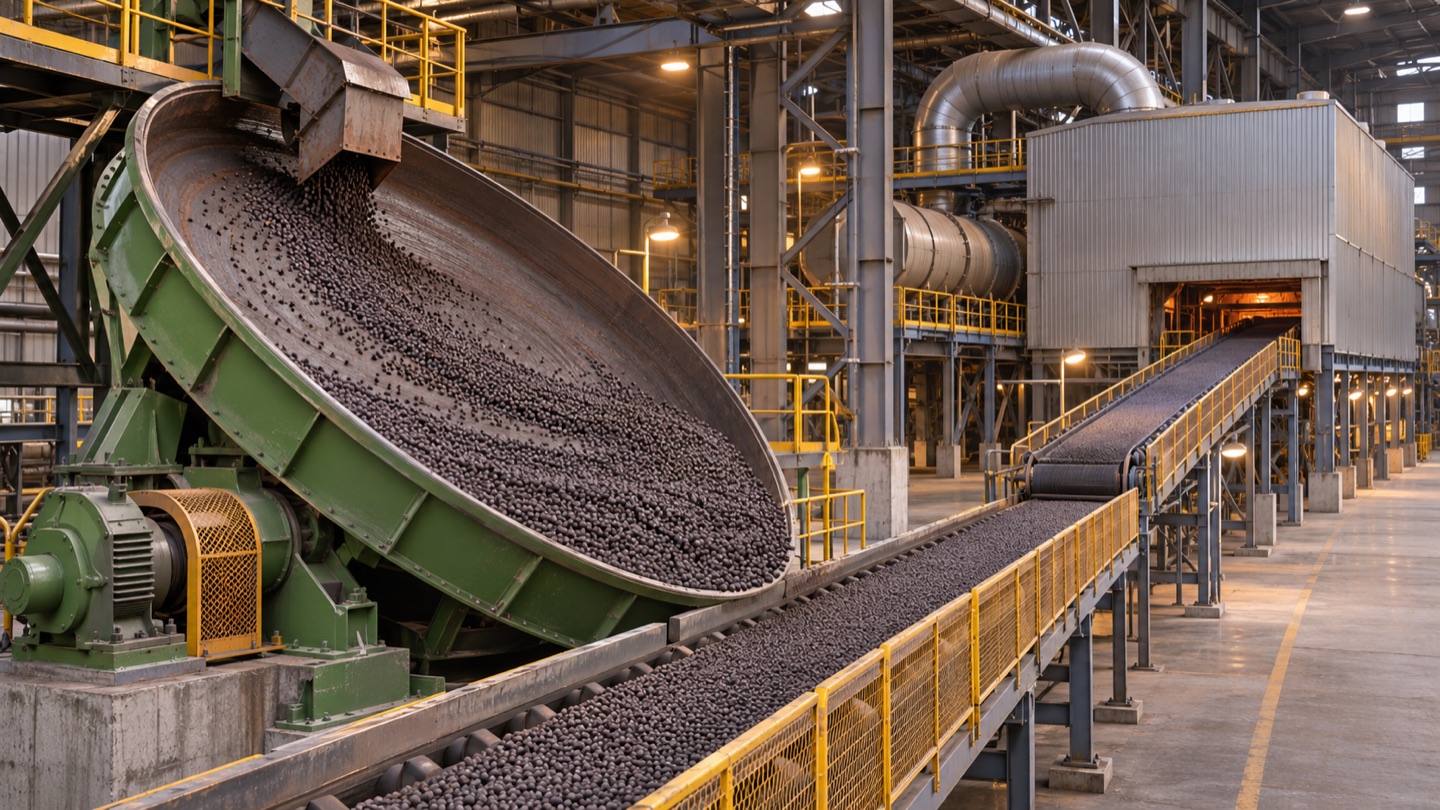
Steel and DRI
Pelletizing data that connects feed quality to furnace performance
Follow a material cohort through mixing, balling, induration, and cooling to investigate product quality and energy use on a consistent basis.
Read article