
Engineering guidance. Examples and proposed workflows are illustrative.
Start with the physical process
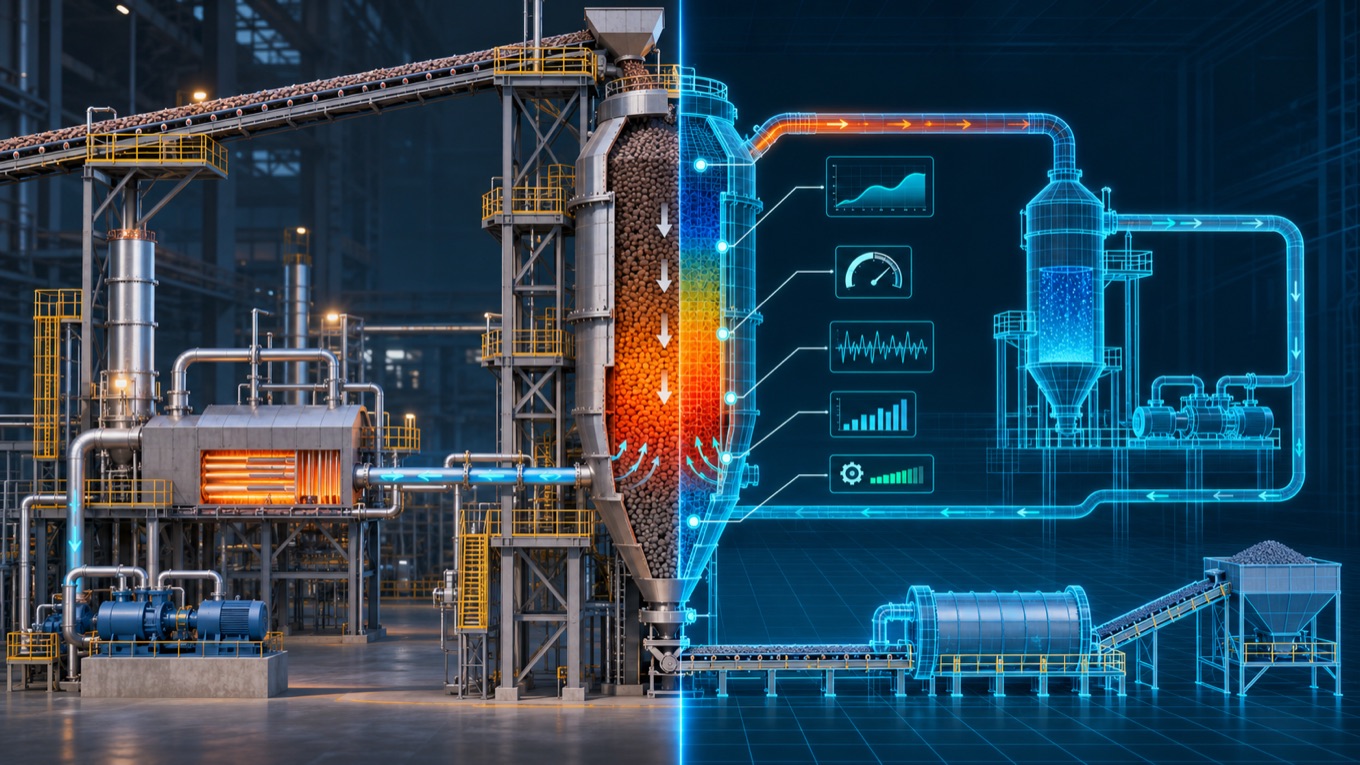
In a gas-based shaft process, iron-bearing feed descends through the furnace while reducing gas removes oxygen. A twin needs separate views of solids, gas, and product so an engineer can follow changes through the system.
Put measurements on a common clock
A historian measurement describes a moment in operation. A lab result has a sample time and a later reporting time. Preserve both. Joining the result at its reporting time can associate quality with the wrong operating period.
Define what would count as a useful model
Select historical windows that cover steady operation and transitions. Compare the model with a simple baseline on time periods it has not seen. Record errors by regime and have process engineers review where the estimates are credible.
Use a replay to test interpretation
In a replay, show the input change next to the estimated response and the later sample. Present missing observations and model assumptions with the trend. That lets reviewers challenge the explanation before integrating it into a shift workflow.
Technical references
Continue exploring
Steel and DRI
Reading the DRI furnace through gas, solids, and time
A practical data model for investigating a shaft furnace, its reducing-gas loop, and the product observations that arrive later.
Read article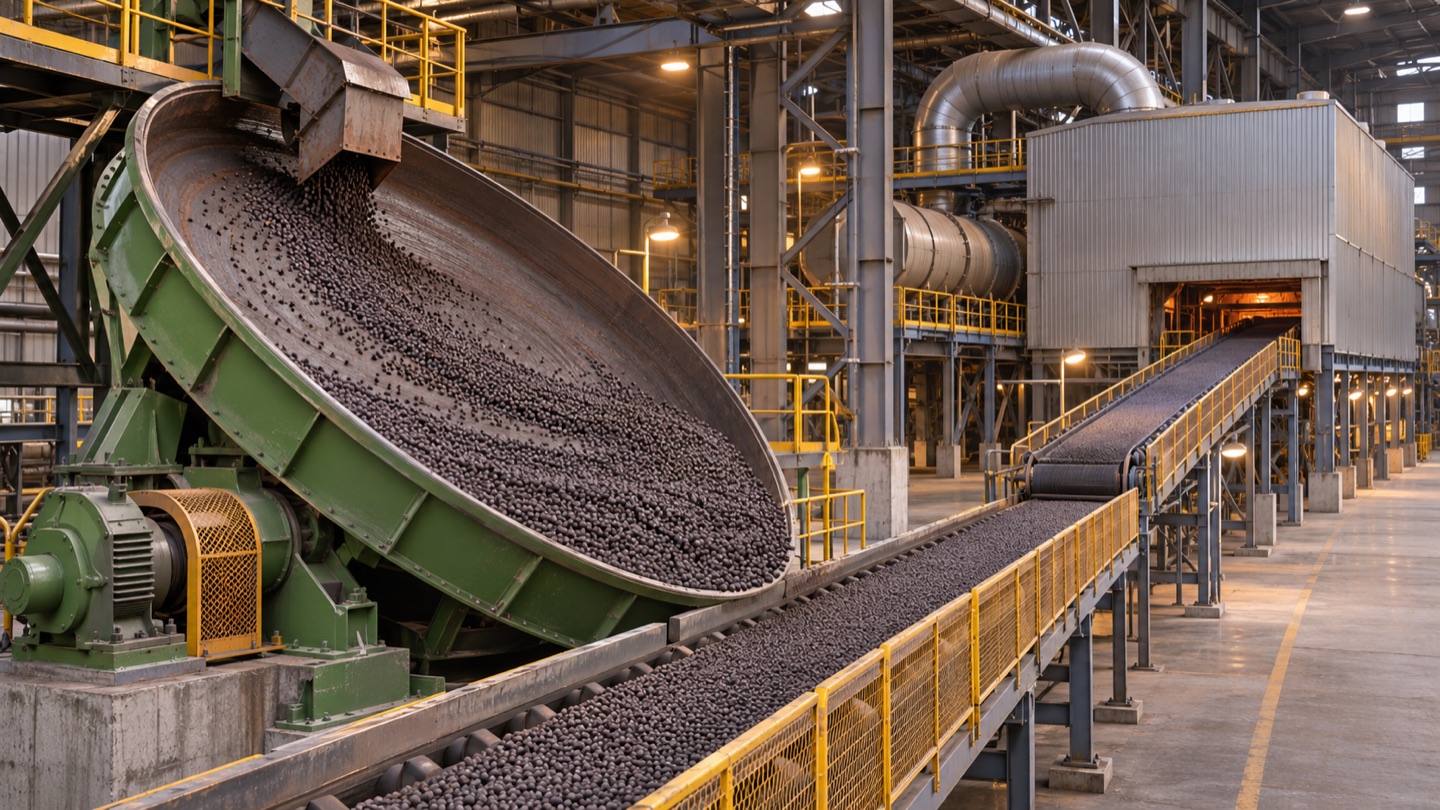
Steel and DRI
Pelletizing data that connects feed quality to furnace performance
Follow a material cohort through mixing, balling, induration, and cooling to investigate product quality and energy use on a consistent basis.
Read article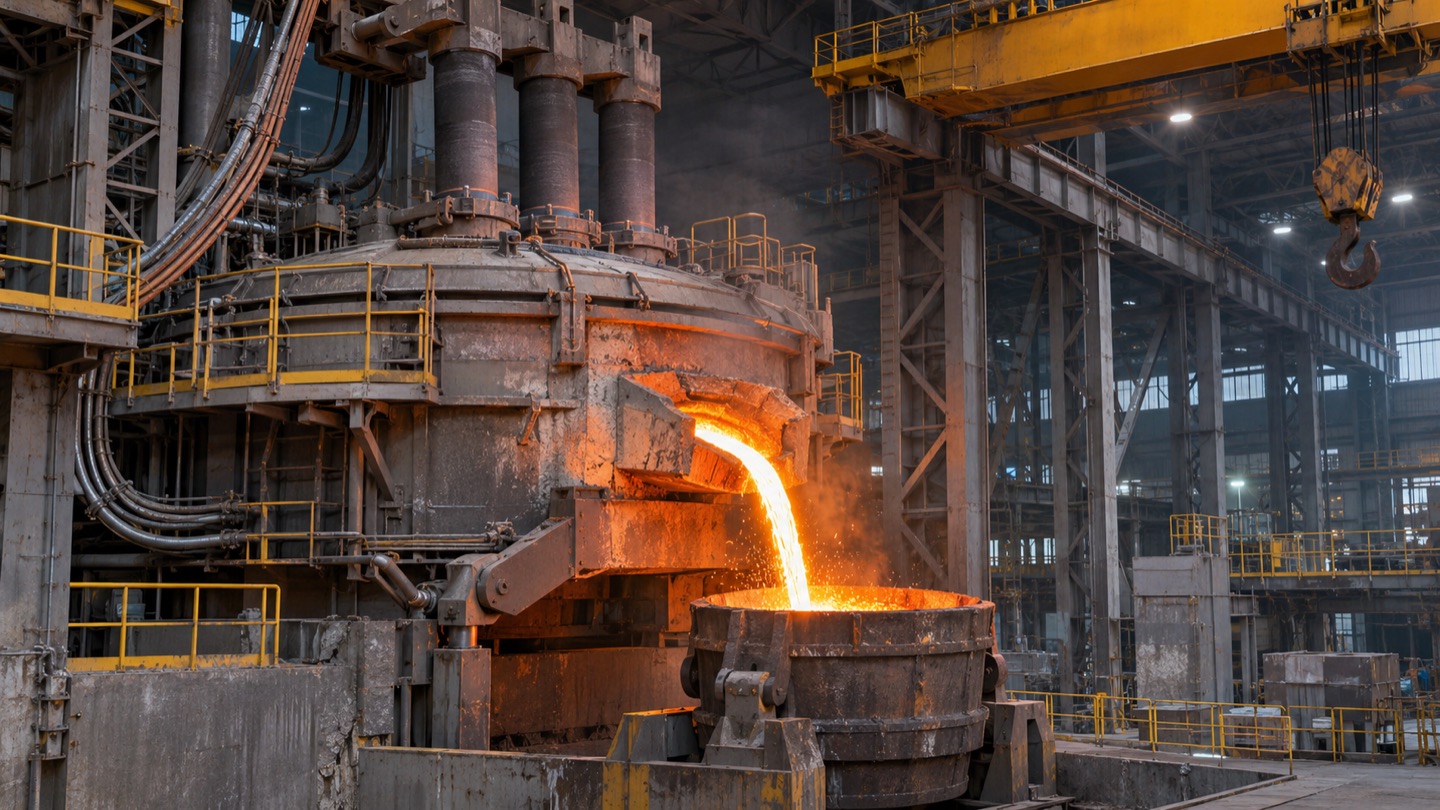
Steel and DRI
From charge basket to certified product: a traceable steel heat
Connect charge materials, heat events, laboratory results, and product identity so steelmaking reviews can follow the evidence across production stages.
Read article